

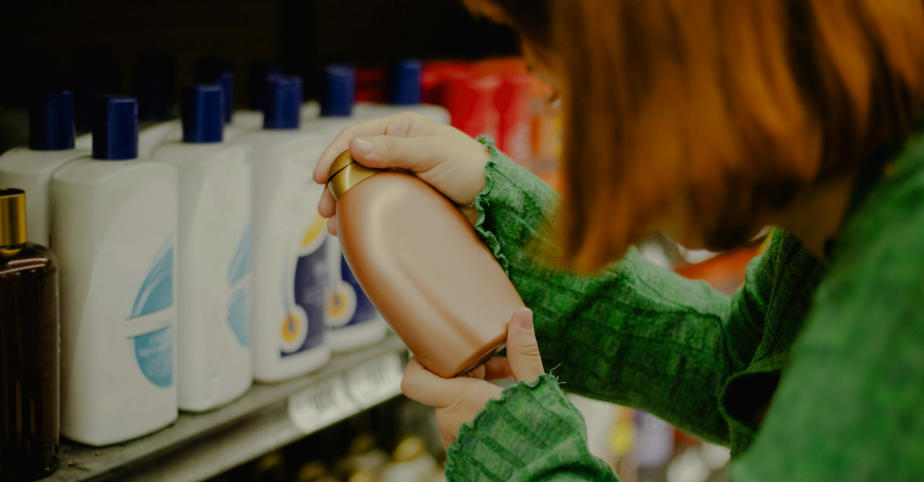
Convenience stores are no longer just a ‘quick but expensive alternative’; few people have stopped to consider how this came about. The private label revolution is transforming the sector – right before our very eyes.
Convenience retail in the age of digital transformation
Convenience retail – the sale of food and everyday items in a quick, easily accessible format – is currently undergoing an unprecedented transformation. The catalysts for this change are:
- New retail technologies
- The expectations of Generation Z and Millennials
- Rising living costs and inflation
- Increased price competition
In response to these challenges, retailers are increasingly turning to a private label (PL) strategy, which opens up entirely new business opportunities for them.
Why do own-brand products thrive in convenience stores?
Although convenience remains at the heart of convenience stores, price is becoming an increasingly important factor across the entire FMCG sector. The key change? A dramatic rise in consumer confidence in private-label products.
This trust gives retailers the scope to:
- Launching innovative products
- Making bold decisions regarding the product range
- Building a competitive advantage
For retailers operating on low margins whilst incurring high technology costs, own-brand products are a strategic tool for survival and growth.
Case Study: 7-Eleven breaks down stereotypes
Quality above all else
The 7-Eleven chain (USA) proves that own-brand products don’t have to be ‘just cheaper’. Their mission? Own-brand products of a higher quality than national brands, at a better price for the consumer.
The figures speak for themselves:
- Over 900 own-brand products
- 50 product categories
- Market innovations: first-to-market, best-in-class products, or products available exclusively at 7-Eleven
Private labels in the convenience sector aren’t just about food. An example? The TXB chain (USA) sells coffee cups under its own brand, demonstrating that private labels can encompass an entire product ecosystem.
Differentiation strategy: how to stand out?
In the fast-paced world of convenience retail, differentiation is the key to success. Effective strategies include:
1. Convenience Pack Sizes
Non-standard pack sizes tailored to a mobile lifestyle
2. Flavour Innovation
Expanding the range with unusual, surprising flavours
3. Affordable Luxury
Despite the fall in inflation, consumers are still feeling the pinch. They are looking for ‘little luxuries’ – products that bring pleasure without breaking the bank.
Sweet and savoury snacks as low-cost treats are a trend that convenience stores are capitalising on perfectly, banking on impulse buys.
Private labels vs. quick-service restaurants
Rising prices at quick-service restaurants (QSRs) present another opportunity for convenience stores. Consumers looking for value-for-money alternatives are increasingly turning to private-label products – which are high-quality, quick to prepare and affordable.
The future of convenience retail: key takeaways
Modern convenience retail is about much more than just speed of service. It is:
- Quality comparable to or better than domestic brands
- Competitive prices tailored to customers’ budgetary needs
- Product innovation that builds loyalty
- Strategic differentiation that delivers a competitive advantage
Convenience store chains that invest in the development of their own-brand products are not only responding to current market challenges – they are laying the foundations for long-term success in an increasingly competitive retail environment.
Is your network ready for the private label revolution? Discover Inquiry’s solutions to support private label strategies in the convenience retail sector.